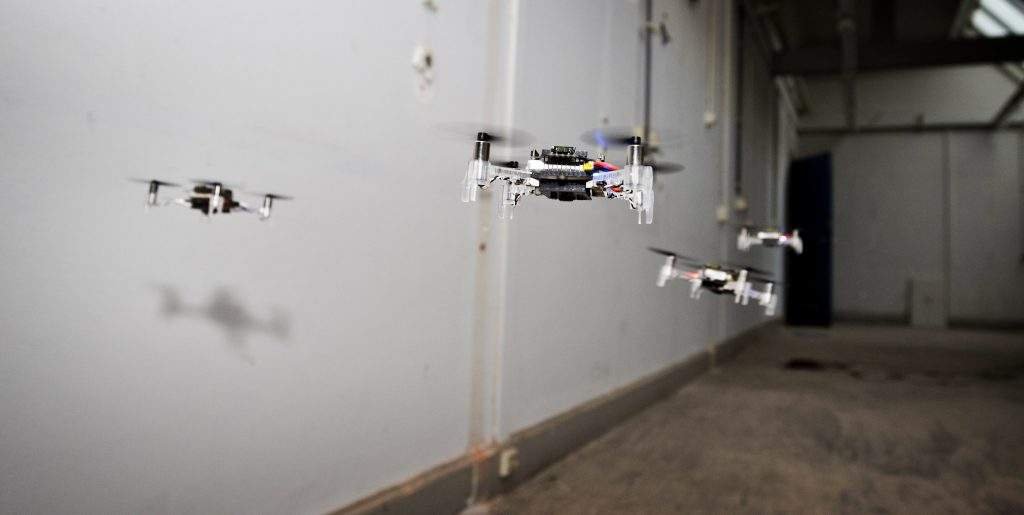
The 2026 Winter Olympics just deployed 15 FPV drones to chase athletes through the Dolomites at 100 km/h — broadcast live to a global audience. The world now understands what FPV cinematography means. The question is what happens when you bring that technology to the Himalayas.
That is exactly what GarudX does.
WHY 2026 IS THE TURNING POINT
FPV drone cinematography has crossed from niche to expected. Streaming platforms, ad agencies, and documentary crews are no longer asking "can you get an aerial shot?" — they are asking "can you get inside the terrain?"
Traditional cinema drones give you the establishing shot. The slow orbit. The sweeping reveal. All essential. But FPV gives you the gorge fly-through at 120 km/h. The spiral around a waterfall. The ground-to-sky transition in a single uncut take. These were helicopter shots before. Now they are FPV shots — at a fraction of the cost, with ten times the creative control.
Nepal's terrain is the most extreme film environment on Earth. Vertical gorges. 8,000m peaks. Ridgelines no road touches. GarudX has been building and flying custom UAVs specifically for this environment for eight years.
Documented flight ceiling: 6,120m — Lobuche Peak. No other drone operator in Nepal has verified commercial footage from this elevation.
5 SHOTS THAT DEFINE HIMALAYAN AERIAL CINEMATOGRAPHY
These are not generic aerial techniques. They are Himalaya-specific shots that require local knowledge, high-altitude hardware, and documented piloting experience above 4,000m.
01 — The Himalayan Thread Flying through a narrow gap between cliff faces at altitude. Consumer hardware loses 40–50% rotor efficiency above 4,500m. This shot requires a custom-tuned high-voltage FPV build. Not possible with off-the-shelf equipment.
02 — Ground-to-Sky Reveal Starting inches above a trail, a prayer flag, or a trekker's boots — then rocketing skyward to reveal the mountain range behind them. One uncut shot that replaces an entire editing sequence.
03 — Valley Chase Following a river or subject down a deep mountain valley at speed. The Kali Gandaki Gorge — the deepest gorge on Earth — creates natural leading lines at every turn. No other terrain like it.
04 — Heritage Fly-Through Threading monastery courtyards, beneath stupa spires, through ancient gateway arches. Precision piloting with cultural weight. Requires dedicated permit coordination — we handle it.
05 — Weather Drama Through cloud inversion layers, into snowfall, at golden hour above 5,000m. These conditions destroy consumer drones. Our builds are designed and cold-tested for exactly this environment.
THE PERMIT REALITY IN 2026
Filming with drones in Nepal requires navigating a multi-agency chain. International crews consistently underestimate this. They arrive with a consumer DJI drone, discover it underperforms above 4,500m, and find their permit application incomplete because they approached the wrong ministry first.
Here is the full chain you need to clear:
→ CAAN Registration — Unique Identification Number (UIN) for your UAV. Required before any other approval. Foreign operators: $50 USD + 13% VAT.
→ Department of Tourism — Activity clearance. Required for any production on a tourist or commercial visa.
→ Ministry of Home Affairs — Security clearance. Verifies you are not filming sensitive infrastructure. Non-negotiable for commercial productions.
→ DNPWC Permit — Required for Everest region, Annapurna, Manaslu, and all conservation areas. Foreign professional permit: up to $1,500 USD.
Standard processing time: 10–15 working days minimum.
For spring (March–May) and autumn (September–November) windows — which are heavily booked — begin permit and logistics discussions at least 8 weeks before your shoot date. GarudX manages the full documentation chain.
OUR HARDWARE: BUILT FOR NEPAL
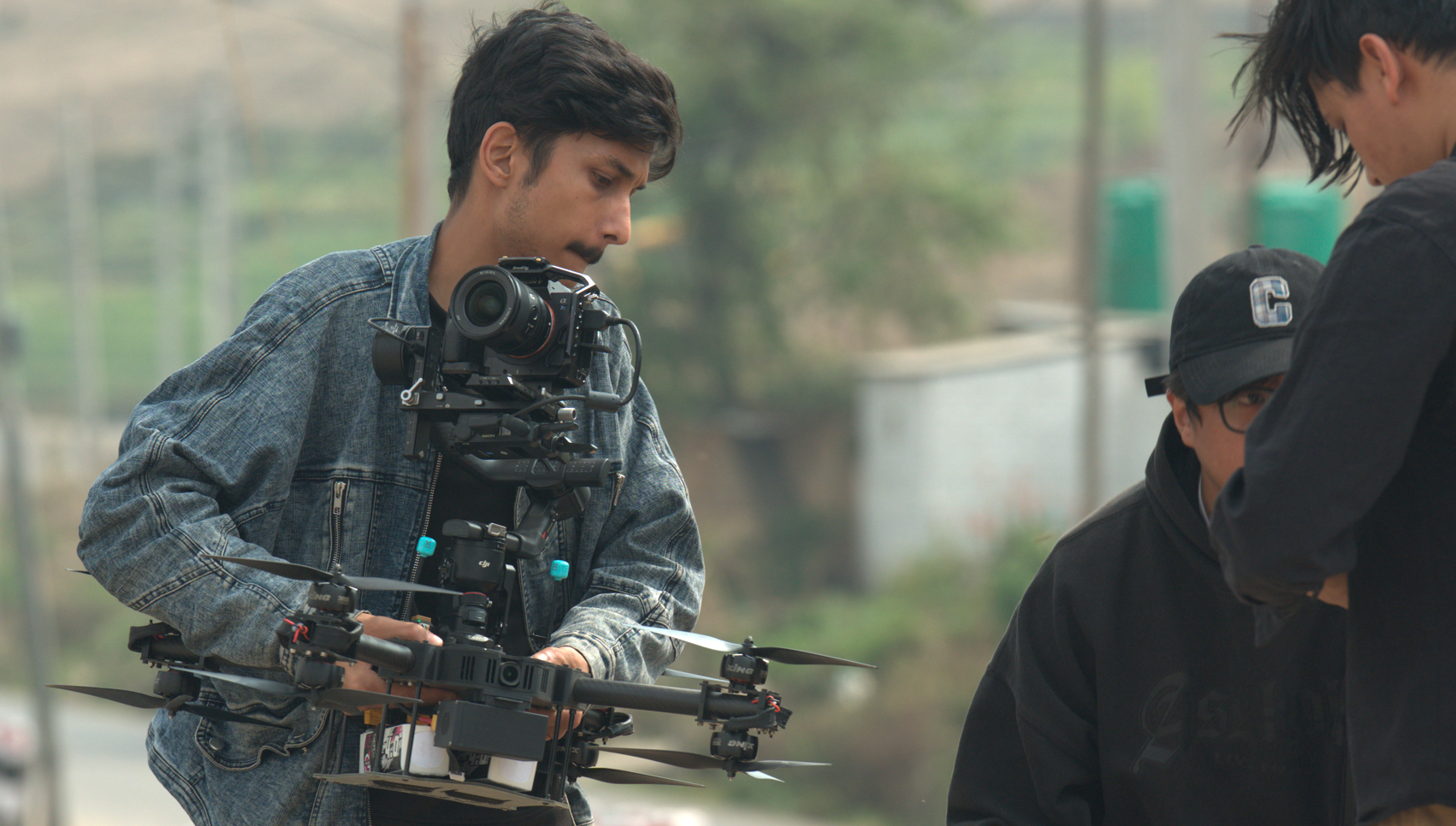
Not rebranded consumer equipment. Every drone GarudX deploys for production work is engineered and tuned in-house at our Bhaisepati lab.
GX8 Pyro — Cinelifter Frame: X8 Coaxial, 610mm wheelbase Motors: XING2 3616 760KV Power: 8S — 8000mAh Video: DJI O4 Air Unit Pro Role: Cinema payload and high-altitude film work
ATLAX X8 — Heavy Lift Propulsion: 28S High-Voltage Rotors: 57-inch Coaxial Battery: Semi-Solid State — 350 Wh/kg Ceiling: 4,000m – 7,000m operational Role: Extreme altitude documentation and cargo
WHEN TO SHOOT IN NEPAL
Spring (March–May) — Optimal. Clear skies, pre-monsoon visibility, rhododendron bloom at mid-altitude. Highest demand from international productions. Book early.
Autumn (September–November) — Optimal. Post-monsoon clarity, sharpest mountain definition of the year. Also heavily booked.
Winter (December–February) — Specialist. Clear skies but extreme cold reduces battery performance 30–50%. Cold-weather builds required.
Monsoon (June–August) — Not advised. Heavy rain, persistent cloud, high wind. Mountains obscured.
READY TO PLAN YOUR PRODUCTION?
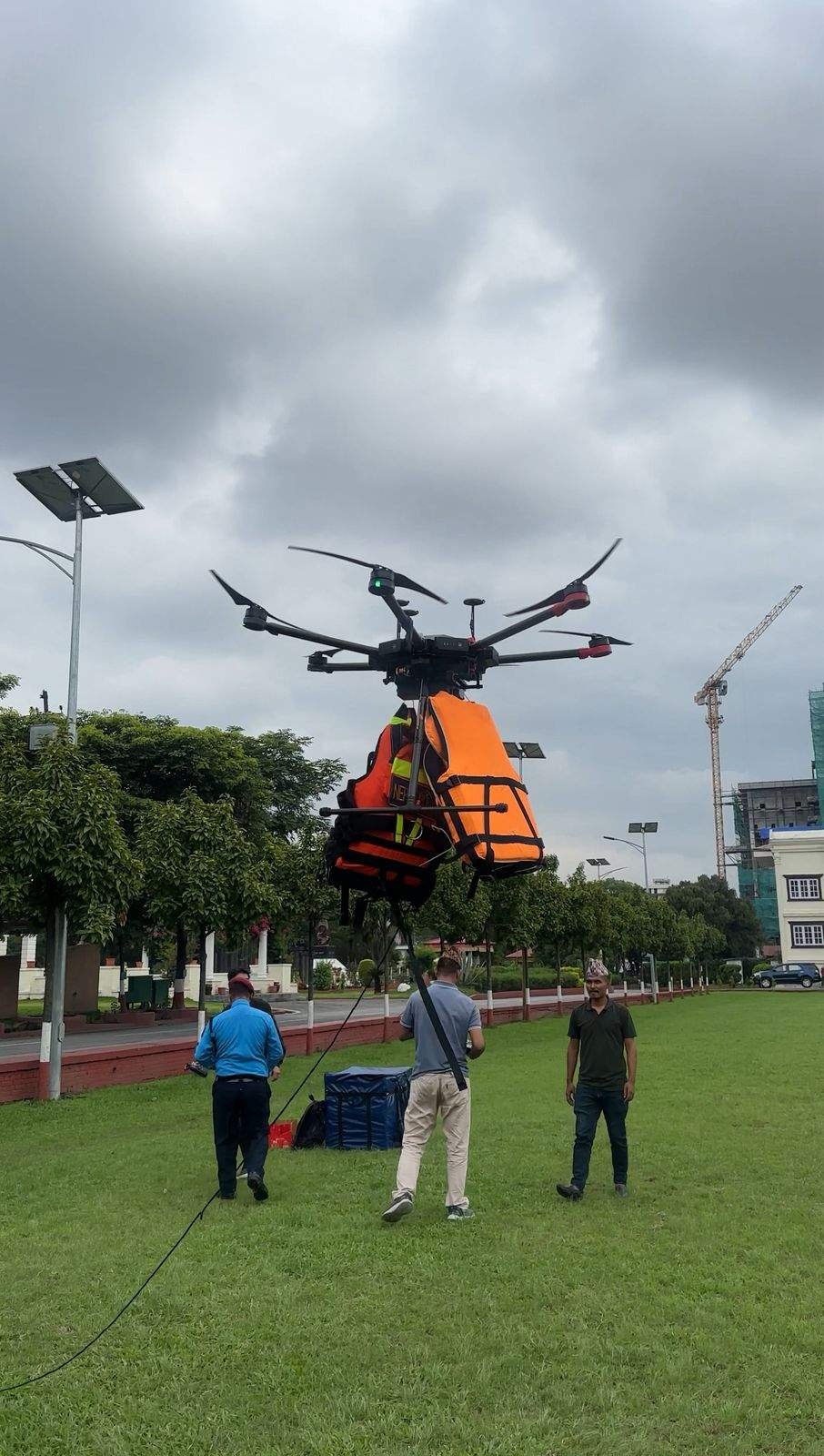
GarudX offers drone cinematography, full permit management, and high-altitude production logistics — from a team with verified 6,120m flight records and active Nepal Police SAR deployments.
Talk to us before you plan your shoot. We will tell you honestly what is achievable, what it will cost, and how long permits will take.
Request a consultation: garudx.com/request-demo